Digital transformation
AI in payments: Scaling modern payment systems without scaling complexity
Payment volumes are rising across every rail, channel and operating environment.
Payment volumes are rising across every rail, channel and operating environment.

New payment rails are arriving faster than most institutions can comfortably absorb them.

Payments don’t live in a single environment — and they haven’t for years. In most banks and large enterprises, payment workflows span on-premises core systems, private cloud infrastructure and public cloud services in a multi-cloud IT infrastructure. A mobile app may run in Microsoft Azure, fraud detection in AWS and settlement still inside a data center. As organizations modernize payments, they often assume cloud adoption will simplify operations. In practice, modernization increases architectural complexity before reducing it.

Legacy payment systems are deeply woven into the operations of most financial institutions. They’ve evolved through years of upgrades, integrations and regulatory adjustments. New payment methods were layered on, reporting tools were added and APIs were connected. From the outside, everything appears functional, but there’s a false sense of stability. The payments ecosystem has shifted dramatically. ISO 20022 standards, FedNow, Real-Time Payments (RTP), digital wallets and cross-border payments now operate alongside traditional batch settlement.

As faster and instant payment technologies become more visible, many organizations approach payments modernization as a choice between two paths: real-time payments or batch processing. Real-time execution is often framed as progress, while batch processing is treated as something to phase out. That framing doesn’t match how payment systems operate in practice. Modern payment environments are built around multiple settlement models, risk controls and reporting obligations. Some payments need to move immediately, but others can’t. Many require both real-time decisioning and delayed settlement.

One in three organizations sees a 25% cost reduction by treating automation as a mission-critical strategy, but Redwood Software customers frequently reach 50%+ savings. Bridge the gap between traditional automation and orchestration to advance your organization toward autonomy.

Modernize your payment rails by deploying advanced orchestration for new, event-driven workloads while keeping stable legacy systems intact. This pragmatic strategy avoids operational disruption and reduces technical debt, allowing you to scale real-time payments with confidence.
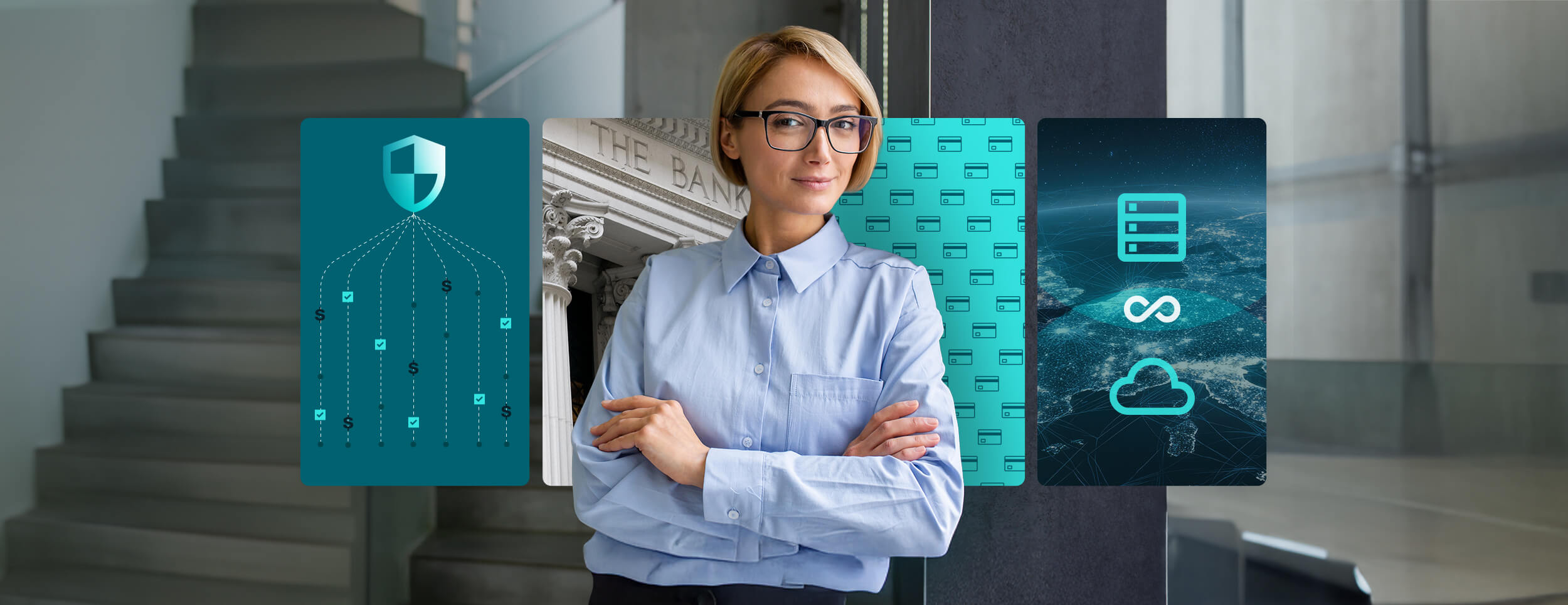
Payments modernization depends on robust orchestration to eliminate the hidden risks of legacy back-end infrastructure. Discover how an orchestration control plane ensures real-time visibility and operational resilience, enabling you to scale new payment rails and AI-driven services with confidence

Finding and implementing automation solutions is no longer the challenge most enterprises face. Data from Redwood Software’s “Enterprise automation index 2026” makes this clear. Investment in automation continues to rise, and the majority view it as mission-critical. Yet, fewer than 6% of organizations have achieved autonomous automation in any core business process. That’s a substantial gap between intent and outcome. This points to a deeper issue: Many organizations have automated tasks and implemented point solutions,

Despite increased spending on automation, nearly 40% of teams admit they aren't ready to implement AI. Learn what the most mature organizations do to prepare their systems and processes for successful AI adoption.

Find out why increased automation spending often fails to deliver ROI and the execution pitfalls that derail most strategies. Learn the four common traps of underperforming automation and what to do to transform your investment into a true growth lever.

While 69% of organizations call automation mission-critical, only 10% prioritize it at the executive level, creating a major gap between strategy and execution. Unpack why this disconnect isn't a funding issue but a failure of ownership and how top performers succeed by treating automation as a core operating capability aligned with business outcomes.

Cloud, AI and data pipeline modernization efforts are accelerating, but without intelligent orchestration, complexity outpaces control. Explore why modern architecture is the foundation for enterprise agility in the AI era.

Learn more about IT trends shaping 2025, including AI advancements, automation fabrics, and unified systems. Discover how to prepare your IT strategy for the future.

If your organization is embarking on an automation journey, a dedicated automation team can support your initiatives and ensure they’re aligned with your larger business goals. Learn about the skills your members should have and which roles you’ll need.

An automation Center of Excellence (CoE) provides the structure and strategy you need to transform scattered automation efforts into cohesive, enterprise-wide initiatives. Explore best practices for building a successful CoE, from defining a clear vision to aligning with business goals and more.

Learn how to transform your business by implementing automation at an enterprise level. Discover 3 key strategies to foster a culture that embraces automation for greater innovation and productivity.

Learn more about how cloud transformation and automation go hand in hand for maximizing ROI. Discover why automating processes before, during and after upgrades can enhance scalability, efficiency and business continuity.

Advancing automation maturity in an enterprise IT environment can help you overcome operational challenges such as inefficiencies, system silos, scalability issues, high costs and compliance risks. Here are five signs your organization is ready to level up its automation strategy.

Perpetual software licenses may appear cost-effective, but their inherent risks and diminishing long-term value can’t compete with the advantages of a subscription-based (SaaS) model. Learn why you should go with SaaS for its frequent updates, modern security and built-in adaptability.

Learn how Digital Transformation in Finance revolutionizes R2R automation for enhanced efficiency and accuracy. Discover the impact on CFOs and finance teams as they transition from manual processes to advanced automated solutions, ensuring precise financial reporting and operational excellence.
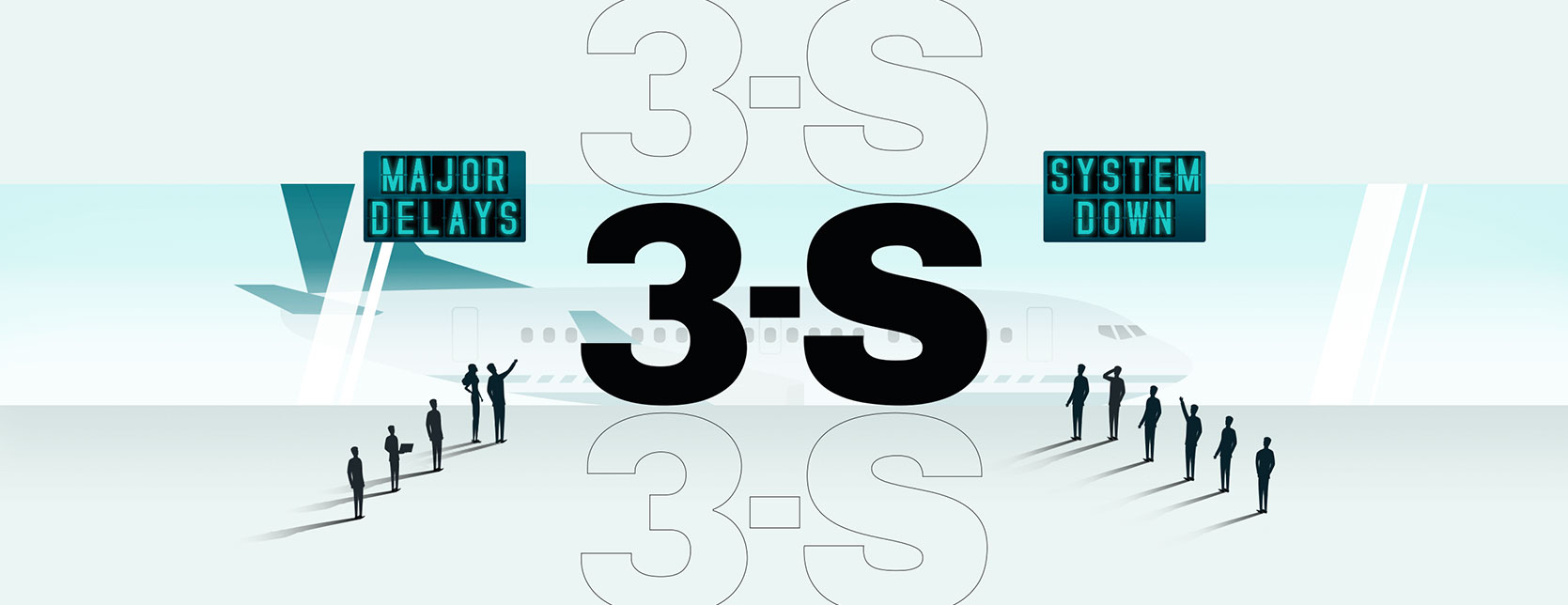
Airlines commonly experience costly breakdowns of backend technology. Large enterprises can learn valuable lessons from these instances, including how crucial it is to modernize IT infrastructure to boost efficiency and resilience.

For the last fifteen years, the enterprise software industry has revolutionized our ability to weave an interconnected and intelligent architecture that enables organizations to seamlessly connect, manage and govern their data. As the former CEO of one of the enterprise software leaders in analytics, I had a front-row seat to this “data fabric” revolution. While it was easy to get caught up in the marketing hype around new terms like “big data” and “predictive analytics,” the reality was that the most competitive companies in the world were increasingly differentiating their ability to serve their customers based on how well they collected,

In the dynamic world of automation, staying one step ahead can be tricky but invaluable. You want to ensure (as best you can) that you’re making the right moves and investments now to withstand tech developments and inevitable innovations along with your scaling business needs. Poor planning when it comes to automating your critical business processes will have your team running at a deficit, unable to keep up with workloads and working ineffectively. This will negatively impact operations,

© 2026 All Rights Reserved